Royal Canin Review: Gas Station Hot Dog Nutrition at Steakhouse Prices
If your pooch thinks a lukewarm burger from a gas station heat lamp is a gourmet meal, then Royal Canin Medium Adult is their culinary soulmate.
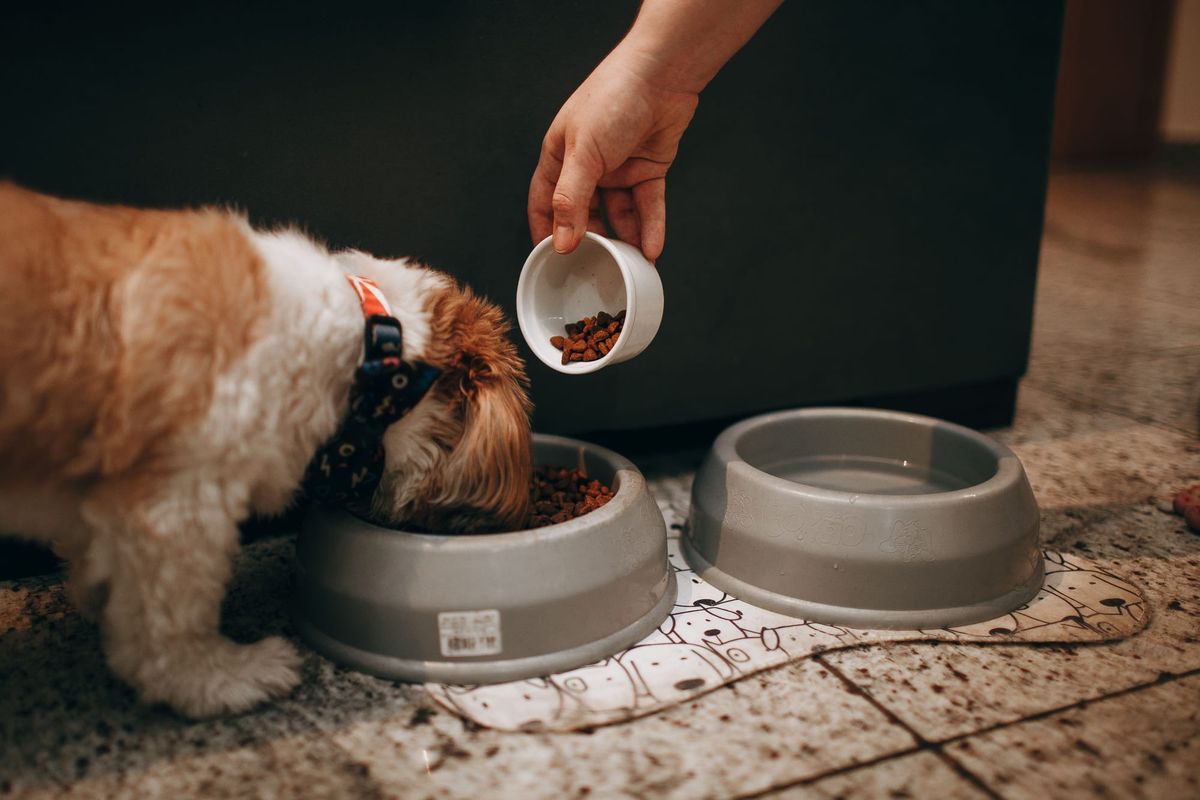
If your pooch thinks a lukewarm burger from a gas station heat lamp is a gourmet meal, then Royal Canin Medium Adult is their culinary soulmate. The marketing is so good that even well-meaning pet parents walk out of the vet clinic convinced they've just purchased premium, tailored nutrition. But let's look at what's actually inside that bag.
Spoiler: it's not meat. It's not even close.
Royal Canin's marketing team deserves a standing ovation for making "premium" kibble sound like a five-star Michelin experience. With slick packaging and the promise of "tailored nutrition," they make it seem like your dog is embarking on a bespoke wellness journey. Peel back that shiny foil and look at the "fine dining" — it's just industrial byproduct in a tuxedo. The equivalent of slapping a designer label on a cardboard box and charging you for the font choice.
We've already roasted the filler ingredients hiding in premium kibble and exposed how Purina's vet-recommended halo is bought, not earned. Royal Canin takes the same playbook and adds an extra zero to the price tag. Let's dissect it.
What Is the First Ingredient in Royal Canin?
The first ingredient in many Royal Canin formulas is not chicken, beef, or lamb. It's often corn, rice, or some variation of grain filler — depending on the formula. For a food that routinely costs $80-100 per bag, the absence of a named meat as the first ingredient is indefensible.
Run this through our 5-Second Dog Food Label Lie Detector and it fails question one immediately. The first ingredient should be a named meat. Royal Canin Medium Adult opens with brewer's rice — the same spent beer waste we exposed in our full autopsy. Chicken by-product meal shows up later, playing catch-up.
At $80 a bag, you're paying for beer waste and grain fillers with a poultry cameo. Not a great start.
Why Does Royal Canin Use Corn and Soy?
Corn and soy are cheap, mass-produced agricultural commodities. They keep manufacturing costs low and profit margins high. The problem: conventionally grown corn and soy are frequently sprayed with glyphosate, a herbicide classified as a probable human carcinogen by the World Health Organization. Residues of glyphosate have been detected in commercial dog foods.
Let's be direct. Corn and soy are not inherently toxic. But conventionally grown corn and soy are drenched in glyphosate during production. Glyphosate residues don't disappear during extrusion. They end up in the bag. They end up in your dog.
Add to this the presence of bioengineered (BE) ingredients — genetically modified corn and soy that are legal, widely used, and almost never disclosed prominently — and you've got a recipe for chronic, low-grade inflammation. Itchy paws. Ear infections that won't clear up. "What is that smell?" ears. Sure, your dog will inhale the food. But what's happening at the cellular level is less "thriving" and more biological damage control.
We've covered the health risks of filler-heavy diets and the nutritional void created by cheap grains. Royal Canin combines both problems in one expensive bag.
How Does Royal Canin Manipulate Veterinarians?
Royal Canin funds veterinary school nutrition curricula, sponsors continuing education, and provides free food to teaching hospitals. Vets don't recommend Royal Canin because the ingredients are superior. They recommend it because Royal Canin built the educational pipeline they learned from.
This is the "White Coat Halo" — and it's the most effective marketing strategy in the pet food industry. We exposed the full mechanism in our investigation of why best dog food lists are boughtand our Purina Pro Plan takedown. Royal Canin operates the same playbook with even higher prices.
By pouring massive budgets into vet school sponsorships and "nutrition certificates," Royal Canin ensures that when a student sees a lab coat, they see a Royal Canin bag right behind it. It's a brilliant cycle of kickbacks and clinical credibility. They've convinced pet parents that if it's sold in a clinic, it must be medicine.
In reality, you're paying a 300% markup for the privilege of buying corn from a guy with a stethoscope. It's not a prescription. It's a ransom note for your dog's health.
How Does Royal Canin's Marketing Fool Smart Owners?
Royal Canin uses "The Scientific Aesthetic" — packaging that looks like lab equipment, buzzwords like "tailored nutrition," and diagrams of kibble shapes supposedly designed for specific jaw sizes. The marketing creates an illusion of precision to distract from the reality of the ingredient list.
The bags don't look like food. They look like lab equipment. They use words like "precise" and "formulated" and "clinically proven." They show you high-resolution diagrams of kibble shapes designed specifically for a "Medium Adult's" jaw — as if your dog would be baffled by a triangle if they weren't fed a circle.
Then come the commercials: a slow-motion Golden Retriever frolicking through a sun-drenched meadow, looking more vibrant than a teenager on a yoga retreat. They sell you the idea of vitality to distract you from the reality of the ingredient list. They've turned "processed" into "precise" and "cheap filler" into "complex carbohydrates."
You aren't buying nutrition. You're buying the relief of feeling like a responsible pet owner while the marketing team laughs all the way to the bank.
What Chemical Preservatives Are in Royal Canin?
Royal Canin formulas contain BHA (butylated hydroxyanisole) and other chemical preservatives. BHA is listed as a possible human carcinogen by the International Agency for Research on Cancer. It's added to dog food to extend shelf life — not to support your dog's health.
Preservatives have a purpose. Food needs to stay shelf-stable. But there's a difference between natural preservatives like mixed tocopherols (vitamin E) and synthetic ones like BHA. Royal Canin opts for the synthetic route — cheaper, longer-lasting, and less scrutinized by owners who don't read ingredient panels.
We covered the broader problem of synthetic additives in our Native Pet comparison and our freeze-dried vs. cooked nutrition guide. The pattern is consistent: what extends shelf life rarely extends your dog's life.
What Should You Feed Instead of Royal Canin?
If your dog is on a Royal Canin prescription diet for a specific medical condition, do not switch without consulting your veterinarian. Prescription diets serve a clinical purpose. But if you're feeding Royal Canin's over-the-counter formulas as a "premium" daily food, you're paying steakhouse prices for gas station ingredients.
Better options:
- Fresh or gently cooked foods with named meats and whole vegetables
- Freeze-dried raw formulas that don't require synthetic preservatives
- High-quality kibbles that list a named meat meal first and don't rely on corn and soy as structural ingredients
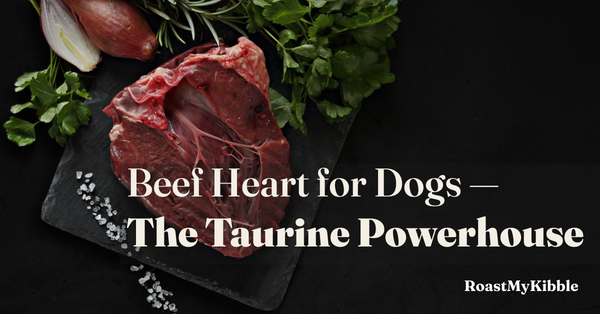
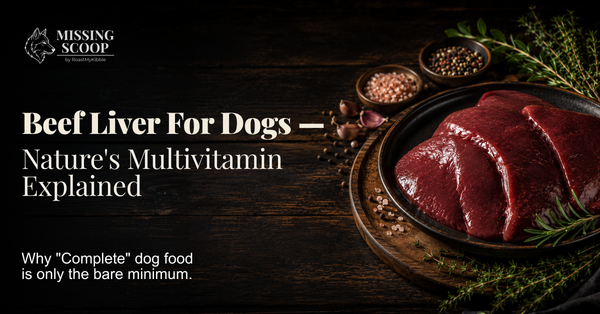
Or, if switching food entirely isn't in the cards right now, bridge the gap yourself. A freeze-dried organ meat topper — beef liver for vitamin A and iron, beef heart for taurine and CoQ10 — adds back exactly what the corn, soy, and synthetic preservatives strip away. No chemical rainbow. No glyphosate residue. Just organs, freeze-dried, ready to scoop. It's the upgrade Royal Canin's price tag should have included in the first place.
Frequently Asked Questions About Royal Canin
Q: Why is Royal Canin so expensive if the ingredients are cheap?
Marketing, veterinary distribution, and the "prescription diet" brand halo. Royal Canin spends heavily on vet school sponsorships, clinical branding, and packaging that looks medical. You're paying for the perception of science, not the cost of ingredients.
Q: Is Royal Canin bad for dogs?
Royal Canin meets AAFCO standards and is not acutely toxic. Millions of dogs eat it. But the ingredient quality is wildly mismatched with the price. Chronic consumption of glyphosate-sprayed grains, synthetic preservatives, and anonymous protein sources is not optimal — especially at $80-100 per bag.
Q: Should I stop feeding my dog Royal Canin?
If your dog is on a prescription formula for a diagnosed medical condition, consult your vet before switching. If you're feeding an over-the-counter Royal Canin formula as a premium daily food, there are better options at every price point.
Q: Does Royal Canin use GMO ingredients?
Royal Canin formulas frequently contain corn and soy, which are commonly sourced from genetically modified crops. The brand does not prominently disclose or avoid bioengineered ingredients.
Q: Has Royal Canin been recalled?
Royal Canin has had recalls in the past, including for melamine contamination and other quality control issues. Always check current recall status on our Recall Log Page.
The Final Verdict
If Royal Canin Medium Adult were human food, it would be a mystery-meat hot dog that's been rolling on the gas station grill since Tuesday. It's slightly questionable, aggressively processed, and covered in a "science-backed" mustard that's really just yellow dye and desperation.
The brand isn't selling nutrition. It's selling the relief of feeling like a responsible pet owner. And it's charging you $80 a bag for the privilege of buying corn and soy from a company that spent more on the font choice than the first ingredient.
Your dog doesn't need "tailored" kibble shapes. Your dog needs meat, organs, and real food — none of which require a stethoscope to understand.
Are you feeding Royal Canin? What's your experience — did your vet recommend it? Drop your story in the comments. We want to know how many of us have been sold a gas station hot dog in clinical packaging.