We Analyzed the Top 5 Dog Supplements. Here's What They Don't Want You to Read.

The dog supplement aisle is a gold rush. Projections have the global pet supplement market pushing past $5 billion by 2028. Every brand wants a piece. Every shelf is stacked with glossy bags promising shinier coats, calmer nerves, and joints that move like a puppy's.
And almost none of them are clean.
We grabbed five of the biggest names in the business — Zesty Paws, Native Pet, Purina Pro Plan Veterinary Supplements, Nutramax (Cosequin), and VetriScience — and ran them through the same uncompromising lens we use to roast premium kibble. What we found: a market flooded with glycerin, synthetic vitamins, and filler ingredients masquerading as functional nutrition. One brand passed with flying colors. The rest? Let's just say they're hoping you don't read the back of the bag.
Welcome to the supplement roast. No brand is safe.
H2: What's Actually in Most Dog Supplements?
Most dog supplements are built on a cheap base of glycerin (a binder), brewers dried yeast (a flavoring byproduct), and vegetable oil (a texture agent). The active ingredients — the glucosamine, the probiotics, the omega fatty acids — are often present in trace amounts that may or may not match the label claims.
The supplement industry operates with less regulatory oversight than pet food. The FDA doesn't pre-approve supplements for safety or efficacy. AAFCO doesn't set nutrient profiles for supplement labels. The result is a market where marketing claims run wild and ingredient quality varies from pharmaceutical-grade to industrial waste.
Three red flags we look for on every supplement label:
1. Glycerin as a top-3 ingredient. Glycerin is a sugar alcohol used to make chews soft and palatable. It's not toxic. It's also not nutrition. When glycerin appears before the active ingredients, you're buying a delivery mechanism with a sprinkle of function.
2. "Natural flavor" as a black box. "Natural flavor" can legally be almost anything derived from a plant or animal source. It's a proprietary loophole that hides everything from hydrolyzed animal tissue to yeast extract. You don't know what it is. The brand doesn't have to tell you.
3. Synthetic vitamins instead of whole-food sources. Most supplements use lab-made vitamin isolates — ascorbic acid for vitamin C, cyanocobalamin for B12, retinyl palmitate for vitamin A. They meet the chemical definition of the vitamin. They don't come packaged with the cofactors, enzymes, and fatty acids that make whole-food nutrients bioavailable. We've made this argument extensively in our organ meat deep dives: whole food always beats chemicals.
H2: The Top 5 Dog Supplements, Roasted and Ranked
We graded each brand on ingredient quality, filler content, processing method, and transparency. Here's how they stack up.
| Brand | Best-Known Product | Main Binders/Fillers | Synthetic Vitamins? | Grade |
|---|---|---|---|---|
| Native Pet | The Daily | None (air-dried whole food) | No | A |
| Nutramax | Cosequin | Glycerin, mixed tocopherols | No | B |
| VetriScience | GlycoFlex | Glycerin, brewers yeast | Yes | C+ |
| Zesty Paws | 8-in-1 Bites | Glycerin, brewers yeast, vegetable oil | Yes | C |
| Purina Pro Plan Vet | FortiFlora | Animal digest, corn starch | Yes | D |
1. Native Pet — Grade: A
We reviewed Native Pet in full here. The short version: air-dried, whole-food ingredients, no glycerin, no synthetic vitamin spray, no filler. Ingredients read like a recipe, not a chemistry exam.
The Good: Pumpkin, beef bone broth, probiotics. That's the list.
The Bad: Shorter shelf life without preservatives. Store it properly.
The Verdict: The gold standard. Everyone else on this list is competing for second place.
2. Nutramax (Cosequin) — Grade: B
Cosequin is the vet-recommended joint supplement. It's been studied. It's got clinical data behind it. The active ingredients — glucosamine and chondroitin — are present at therapeutic doses.
The Good: Effective. Backed by research. Vets trust it.
The Bad: Glycerin is the first ingredient. Inactive fillers outnumber active compounds. The "soft chew" format is a sugar pill with joint supplements inside.
The Verdict: It works. It's also a glycerin delivery vehicle dressed in clinical clothing. Effective doesn't mean clean.
3. VetriScience (GlycoFlex) — Grade: C+
VetriScience occupies the "veterinary-formulated" niche. The marketing implies clinical authority. The ingredient panel tells a different story.
The Good: Contains green-lipped mussel, a well-researched joint ingredient.
The Bad: Glycerin, brewers dried yeast, and a synthetic vitamin premix pad out the formula. "Veterinary formulated" doesn't mean "veterinary recommended" — it's a marketing term, not a certification.
The Verdict: Not the worst. Not clean. Middle of the pack, which in this market means "still full of fillers."
4. Zesty Paws — Grade: C
Zesty Paws is the market leader in the "premium supplement" space. Great branding. Smart influencer marketing. Bags that pop on Instagram. But flip it over.
The Good: Wide product range, specific functional formulations, some interesting ingredients like apple cider vinegar and turmeric.
The Bad: Glycerin, brewers dried yeast, vegetable oil, and "natural flavor" appear in the first five ingredients of their flagship 8-in-1 Bites. The active ingredients — glucosamine, chondroitin, probiotics — come after the filler parade. You're buying a glycerin chew with a vitamin sprinkle. The ingredient count routinely exceeds 20 items. That's not formulation. That's a junk drawer.
The Verdict: Zesty Paws is the best-marketed supplement brand in America. It is not the best-formulated. Packaging is not nutrition.
5. Purina Pro Plan Veterinary Supplements (FortiFlora) — Grade: D
FortiFlora is the probiotic your vet sells. It's also a masterclass in how to dress up industrial ingredients in clinical packaging.
The Good: Contains a specific, studied probiotic strain. Vets recommend it because Purina funded the studies.
The Bad: The first ingredient is animal digest — the same sprayed-on flavoring we exposed in our chicken by-product meal deep dive. Corn starch is the second ingredient. The probiotic is listed after the fillers. You're paying prescription prices for corn starch and animal digest with a probiotic chaser.
The Verdict: It might work. So would a probiotic that isn't swimming in industrial flavoring. Purina's veterinary distribution monopoly strikes again — and we've already exposed how vet recommendations are bought, not earned.
Why Are Most Dog Supplements Full of Fillers?
Fillers like glycerin, brewers yeast, and vegetable oil serve three purposes: they make supplements palatable, they make them shelf-stable, and they make them cheap. A clean, whole-food supplement costs more to produce, requires more careful storage, and delivers nutrients instead of delivery mechanisms. Most brands choose cheap.
The economics are simple. Glycerin costs pennies per pound. Air-dried beef liver costs dollars per pound. A glycerin-based chew with synthetic vitamins can hit a $25 retail price with a 60% margin. A whole-food supplement can't. The market has chosen margin over nutrition, and the supplement aisle proves it.
This is the same playbook we've documented across the pet food industry: sell cheap ingredients at premium prices, wrap it in clinical-sounding marketing, and hope nobody reads the label.
What Should You Look for in a Clean Dog Supplement?
A clean dog supplement should have a short, recognizable ingredient list with no glycerin, no "natural flavor," no synthetic vitamin premixes, and no industrial byproducts. The active ingredient should appear first, not after three fillers. Whole-food sources beat synthetic isolates every time.
Run this checklist before you buy:
- First ingredient = the active you're paying for. Glucosamine, probiotics, omega oils. Not glycerin.
- No glycerin, brewers yeast, or vegetable oil in the top five.
- No "natural flavor" — it's a black box.
- Whole-food sourcing. Pumpkin, bone broth, organ meat — recognizable ingredients.
- Published COA. If the brand doesn't test for purity and potency, you're trusting their marketing department.
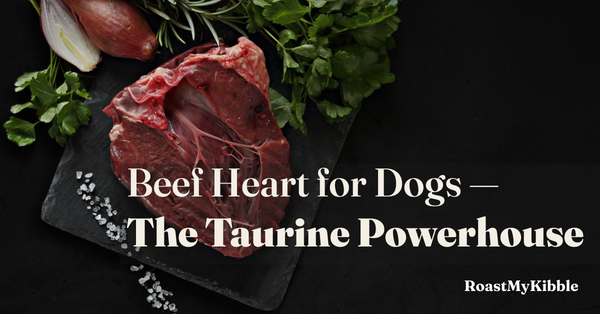
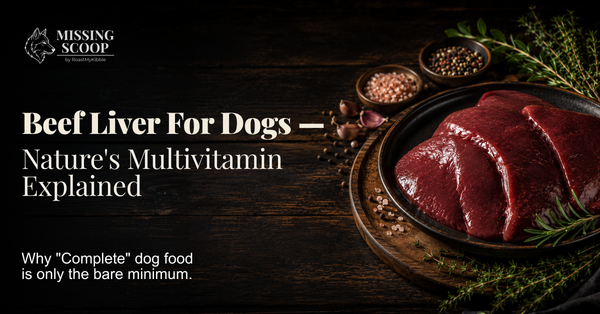
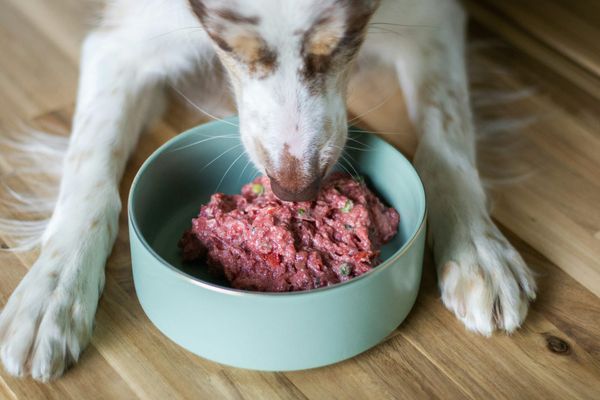
Or skip the supplement aisle entirely. The most bioavailable multivitamin for dogs has never been a chew, a powder, or a pill. It's freeze-dried organ meat — beef liver for vitamin A and iron, beef heart for taurine and CoQ10, beef kidney for selenium and B vitamins. No glycerin. No fillers. No synthetic anything. Just organs, freeze-dried, in a scoop.
Frequently Asked Questions About Dog Supplements
Q: Are dog supplements regulated by the FDA?
Not in the same way as drugs or food. The FDA can take action if a supplement is adulterated or misbranded, but there is no pre-market approval process. Supplement quality and label accuracy are largely left to the manufacturer.
Q: Is glycerin bad for dogs?
Glycerin is not toxic. It's a sugar alcohol used to keep chews soft. The issue is not safety — it's that glycerin provides zero nutrition and often appears as a top-3 ingredient, meaning you're paying for texture, not nutrition.
Q: Do dogs actually need supplements?
It depends on the diet. Dogs eating a balanced, whole-food diet rich in organs may need nothing additional. Dogs eating extruded kibble — which loses nutrients during high-heat processing — may benefit from targeted supplementation. The quality of the base diet determines the need.
Q: Are veterinary-recommended supplements better?
Veterinary-recommended brands are often the same brands that fund veterinary nutrition education and clinic sponsorships. This doesn't mean they're ineffective — many have clinical data — but it does mean the recommendation pipeline is not purely science-driven. Read the label yourself.
Q: What's the best natural alternative to synthetic supplements?
Organ meats. Beef liver provides vitamin A, B12, iron, and copper in whole-food form. Beef heart provides taurine and CoQ10 for cardiac function. A freeze-dried organ topper delivers the same micronutrients as a synthetic supplement — without the glycerin, fillers, or lab-made isolates.
What supplement are you feeding your dog? Drop the brand in the comments. We'll tell you if it passed the label check — or if you just bought a bag of glycerin with a vitamin sprinkle.